How To Fix A Damaged Skin Barrier From Over-Exfoliating?
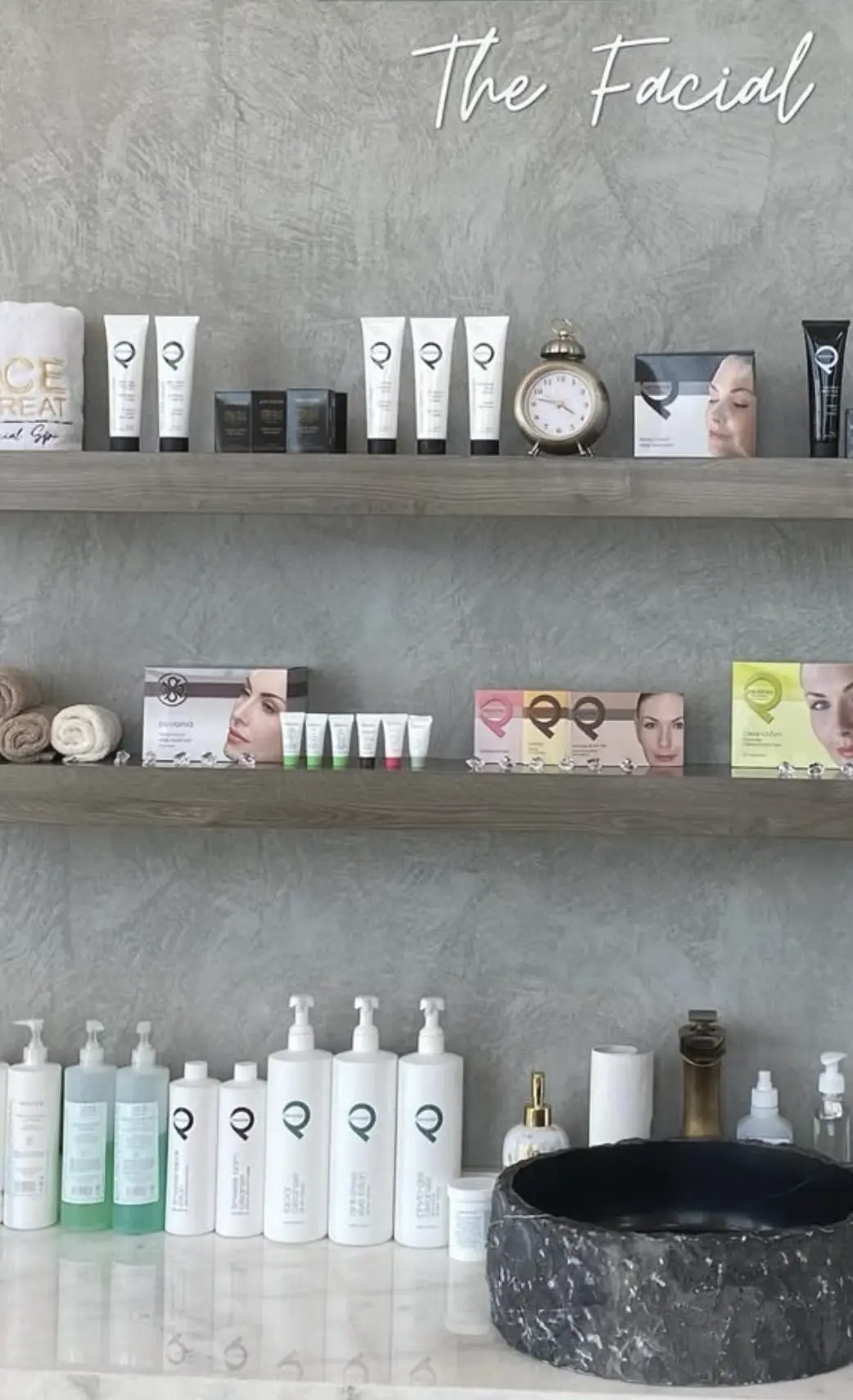
“How to fix a damaged skin barrier from over-exfoliating? That’s the question I get asked in the treatment room more than almost anything else – usually after someone’s been a bit too overzealous with exfoliating toners, chemical peels or even a momentary lapse and gone back to using an apricot scrub they loved way back when.
If your skin suddenly feels tight and sore, or is suddenly flaky and shiny at the same time, don’t worry, you’re not imagining things – your skin barrier (your stratum corneum) is in trouble. The good news is that I see this all the time at The Facial Hub skin clinic in Brisbane, and with the right skincare routine, your skin can totally recover.
So let’s walk through what’s going on here – and more importantly, how to gently sort out your skin and get it back to a healthy balance.
Contents
- 1 What Really Happens Beneath The Surface
- 2 Subtle Signs Your Skin Is Asking For Help
- 3 The 3-Phase Repair Plan I Use In Clinic
- 4 Recovery Timeline You Can Actually Expect
- 5 What To Use (And What To Avoid For Now)
- 6 Why Brisbane Conditions Change Everything
- 7 2026 Skincare Trends: A Shift Towards Repair
- 8 When It’s Time To Get Professional Support
- 9 The Emotional Side Of Skin Setbacks
- 10 Your Skin Can Recover — With The Right Approach
- 11 FAQ
What Really Happens Beneath The Surface
Before we start sorting things out, let’s take a step back and figure out what’s gone wrong – because believe me, most people inadvertently make things worse.
Your skin barrier is like a protective brick wall: the bricks are your skin cells and the mortar is the lipid layer – made up of ceramides, cholesterol and fatty acids. Using too much chemical exfoliation (like alpha-hydroxy acids like glycolic acid or lactic acid, or beta-hydroxy acids like salicylic acid) or physical exfoliation (like scrubs that buff your skin or harsh face exfoliators) knocks out both dead skin cells and the essential barrier-repairingphysical exfoliation (like scrubs that physically buff your skin or harsh face exfoliators) knocks out both dead skin cells and bits you need.
And what happens?
- The barrier thins down, and the acid mantle gets messed up
- Transepidermal water loss goes through the roof
- pH balance gets all out of kilter
- You get sensitivity, redness and inflammation
- And more clogged pores because your sebaceous glands go into overdrive and start producing loads of oil
Over-exfoliating actually slows your skin cell turnover instead of speeding it up, so your skin gets stuck in an annoying cycle of irritation.
Subtle Signs Your Skin Is Asking For Help
And now I’m going to get a bit gentle with you, but not every dry patch or breakout is the end of the world. There are some pretty clear signs to look out for.
You might notice that your skin suddenly reacts in ways it never used to. That hydrating serum that used to be just fine now stings, your cleanser leaves you feeling all tight and dry, or your skin looks shiny but feels fragile underneath. These are your skin’s early warning signs that the protective barrier is starting to struggle.
I had a client not so long ago who’d been layering exfoliating toners, resurfacing products, and even using a derma roller at home. Her skin looked amazing – all glassy and lovely, but in reality, it was inflamed and really uncomfortable underneath. Before we even considered treatments like skin needling in Brisbane, we had to get her skin back on track and rebuild it from the ground up.
The 3-Phase Repair Plan I Use In Clinic
When I see skin that’s really struggling, I never dive straight into using anything fancy. First things first, we need to go back to basics – and that’s when real healing starts to happen.
Phase 1: Pause And Reset
Now this part is usually the hardest bit, but I genuinely believe it’s where the healing process begins. I need my clients to stop using all the products and treatments that can strip or irritate the skin – that means no more chemical peels, exfoliating toners, or harsh scrubs. Nor do we use any strong products containing retinol or other skincare acids just yet.
Think of this phase as giving your skin a break from all the action. No more stimulation, no trying to muscle through it. We just give it a chance to chill out for a bit.
Phase 2: Rebuild And Strengthen
Now we start in on the repair work. That means plumping your skin back up with hydration, supporting the lipid layer and generally getting your skin’s natural function back on track.
In practical terms, this means a super-simple skincare routine built around some great barrier-supportive moisturisers, a nice hydrating serum that uses sodium hyaluronate, and calming ingredients like aloe vera juice or cucumber extract. I also like using plant oils like hemp seed oil to help replenish your skin’s natural lipids.
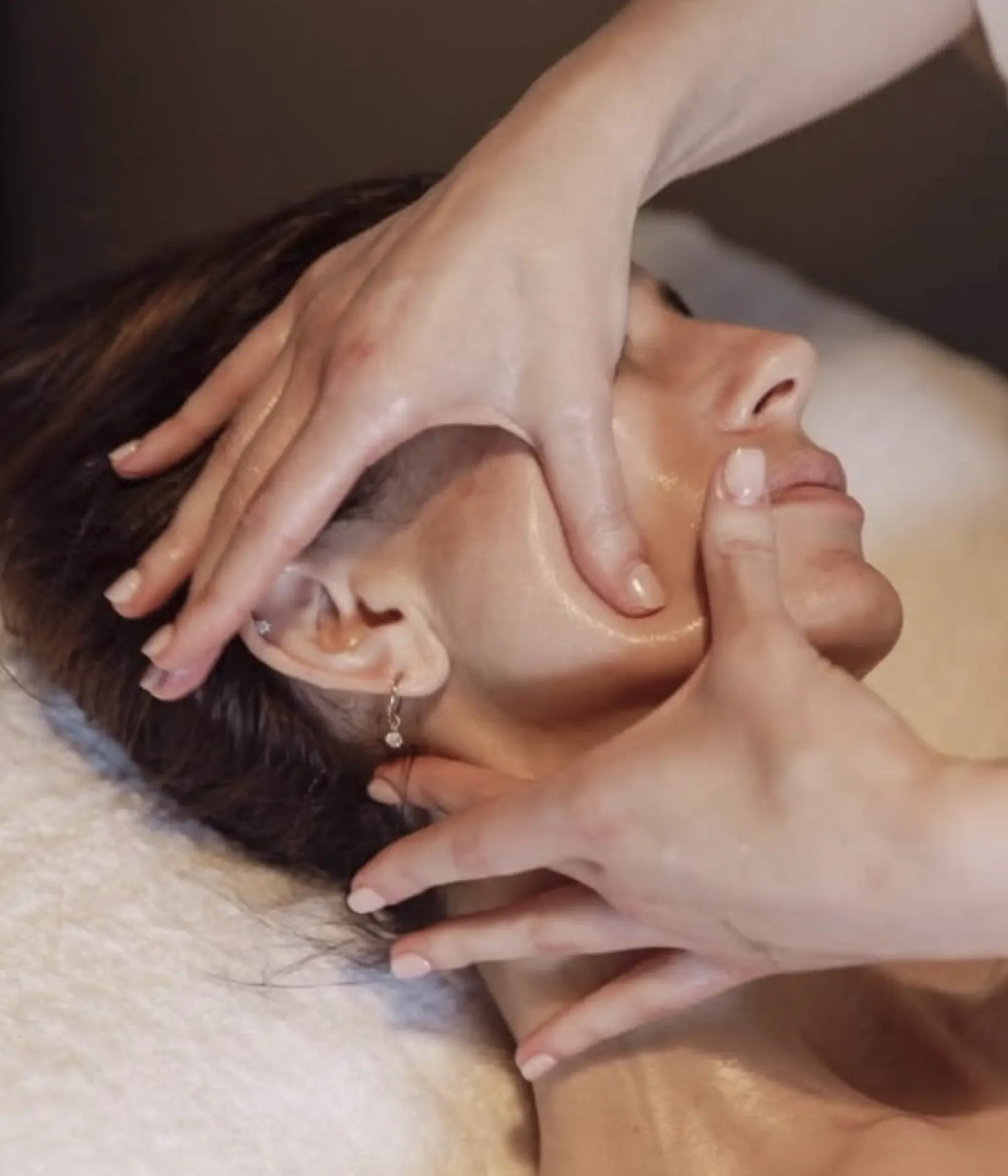
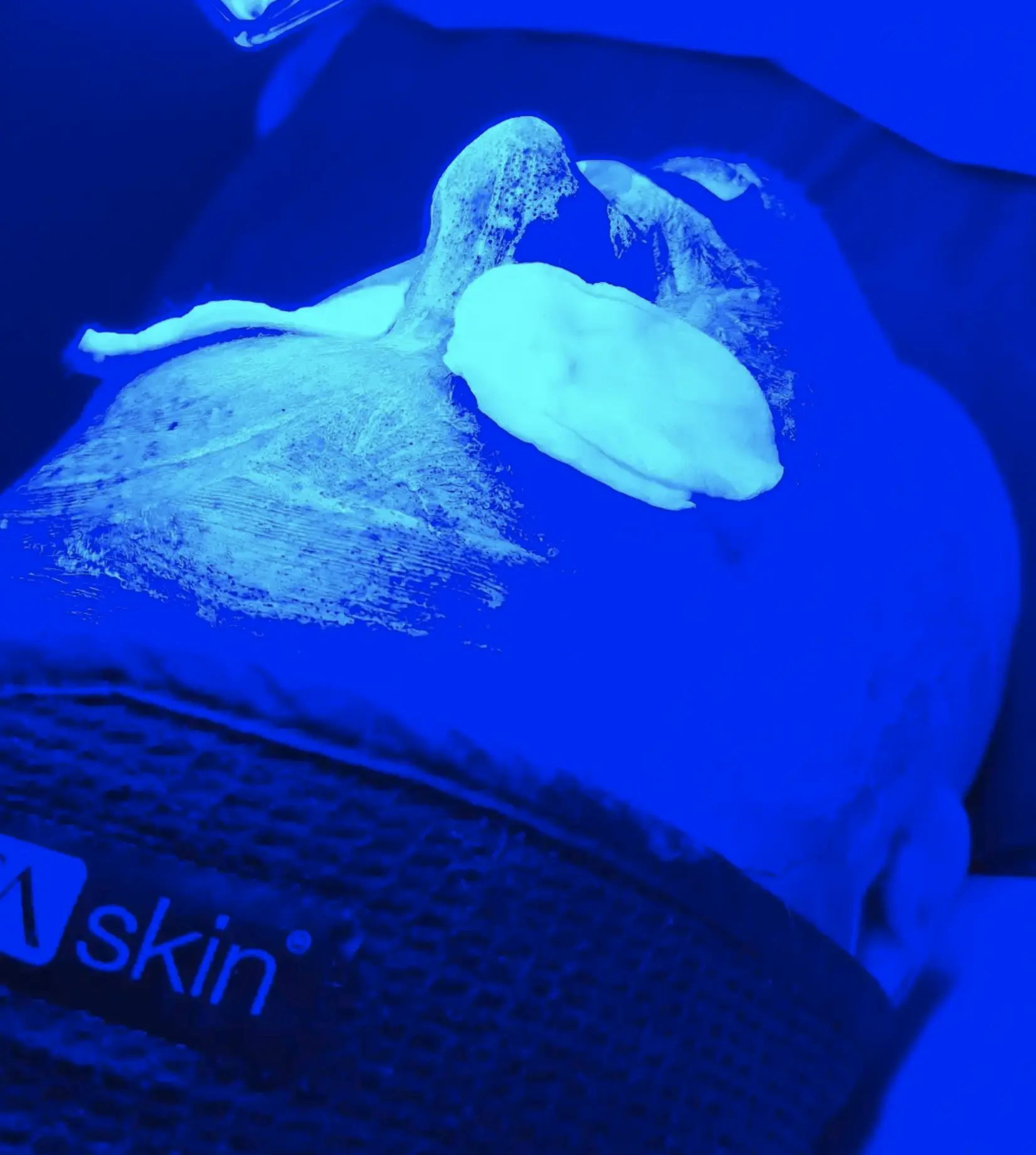
In the clinic, we offer some really soothing treatments, like red light therapy and the most relaxing facials ever. These are designed to calm down inflammation and get your skin working properly again – not to exfoliate or resurface like you would in a regular treatment.
Phase 3: Gentle Reintroduction
Once your skin starts feeling a lot more stable – no more stinging or redness or tightness – then you can start to introduce your actives again. But don’t expect just to go back to using all your old products overnight. Start with one product, use it just once a week to begin with, and see how your skin reacts.
Lots of my clients want to know when they can resume treatments like a really good lifting facial. And don’t get me wrong, these can be amazing for giving you a bit of definition. But timing is everything. Your skin needs to feel really resilient before you try to tackle any of these treatments.
Recovery Timeline You Can Actually Expect
Healing takes time — and that’s completely normal.
| Stage | Timeframe | What You’ll Notice | What To Do |
|---|---|---|---|
| Acute Repair | 3–7 days | Less stinging, calmer skin | Keep skincare routine minimal |
| Rebuilding | 2–4 weeks | Improved hydration, fewer dead cells | Use barrier-building ingredients |
| Strengthening | 4–8 weeks | Skin feels resilient again | Slowly reintroduce activities |
This aligns with natural skin cell turnover cycles (~28 days, slower with age).
What To Use (And What To Avoid For Now)
One thing people just can’t seem to get out of their heads is the idea that scrubbing your skin until it’s all raw and slobbery hyaluronate will give. better skin. Not so much.
What Helps
- Lipids that are identical to your skin
- Hyaluronic acid and sodium hyaluronate, because they retain water
- Squalane, plant oils – they all work well together
- Aloe vera, calming extracts, to just calm things down a bit
- Barrier-friendly moisturisers that support your skin
What To Avoid (Temporarily)
- Glycolic acid and all that other harsh chemical exfoliation stuff
- Salicylic acid, when your skin’s already irritated
- Those physical exfoliation tools can be a bit harsh
- Products that are heavy on alcohol and fragrances – just not good for you
If your skin feels super clean – squeaky clean – that’s likely a sign it’s in trouble.
Why Brisbane Conditions Change Everything
The reality is that Brisbane’s environment has a much greater impact than most people think.
All that humidity makes your skin feel nice and hydrated on the surface, but underneath it can be a whole different story. Then you throw in that high UV exposure, and your skin barrier is just being held together by a thread. That’s why you really need to use a proper SPF 30 or higher suncream every day – preferably an SPF 30 or higher broad-spectrum one to cover all the bases. Even when you’re just trying to recover, you still need it for protection.
Once you’ve got your skin stabilised, then you can start thinking about getting a professional facial in Brisbane, but you’ll want to do it in a way that supports your skin in the long term, not just patching it up for the short term.
2026 Skincare Trends: A Shift Towards Repair
One of the things that I’m really happy to see in 2026 is a shift away from harsh exfoliation.
According to some reports (Statista, global skincare trends 2025-2026), we’re seeing:
- More demand for products that repair your skin barrier
- A growth in favour of skincare that looks after your microbiome
- Fewer people are doing exfoliating routines every day now
Even those new “molecular exfoliants” are being made to be gentler – but the idea’s still the same: your skin doesn’t need to be constantly stripped and resurfaced.
When It’s Time To Get Professional Support
It’s okay to admit that you can’t do it all on your own – that your skin needs a bit more TLC.
We need to see you in the clinic if:
- Redness has been sticking around for more than 2-3 weeks now
- You’re getting ongoing irritation and breakouts
- Everything seems to be making your skin react
In the clinic, we focus on calming things down, rebuilding and restoring – not tearing your skin apart.

The Emotional Side Of Skin Setbacks
Skin struggles aren’t just a physical thing – they can really get to your confidence.
I’ve seen loads of clients avoid going out or feel utterly miserable in their own skin after going down the path of chasing a glow-up that’s just gone too far.
If that’s you, your skin isn’t trashed; it’s just been put under too much pressure.
And the good news is, it can totally recover with the right approach.
Your Skin Can Recover — With The Right Approach
It’s not about slapping on loads of products or going for one aggressive treatment after another – it’s about taking a step back and doing things the right way.
Consistency, gentle care, and taking the time to let it heal will always come out on top of throwing loads of harsh products at it.
Wondering if your current routine is actually doing more harm than good? Pop into The Facial Hub skin clinic in Brisbane, and we’ll have a chat – a proper chat, not just some flash presentation – we’ll work out what’s going on and tailor a plan just for you.
FAQ
How long does it take to sort out a damaged skin barrier?
To be honest,t it usually takes a few weeks for people to start seeing some real improvement, and full recovery can take up to 2 months, depending on how bad it was and how well you stick to the plan.
Can I still exfoliate after sorting out my skin barrier?
Yeah – you can still give your skin a bit of a scrub, but do it once a week and try to stick to one product at a time.
Is hyaluronic acid safe for damaged skin?
Yep – hyaluronic acid (especially the kind that’s a bit easier to get into the skin) is great for keeping skin hydrated and helping it recover.
Why am I breaking out after over-exfoliating?
When you overdo exfoliating, you can disrupt the skin’s oil balance, leading to inflammation and clogged pores.
Should I just give up on skincare if my skin is damaged?
No way – just keep it super simple – a bit of cleanser, moisturiser and some SPF and let your skin get back on track.