How to reduce swelling after lip tinting?
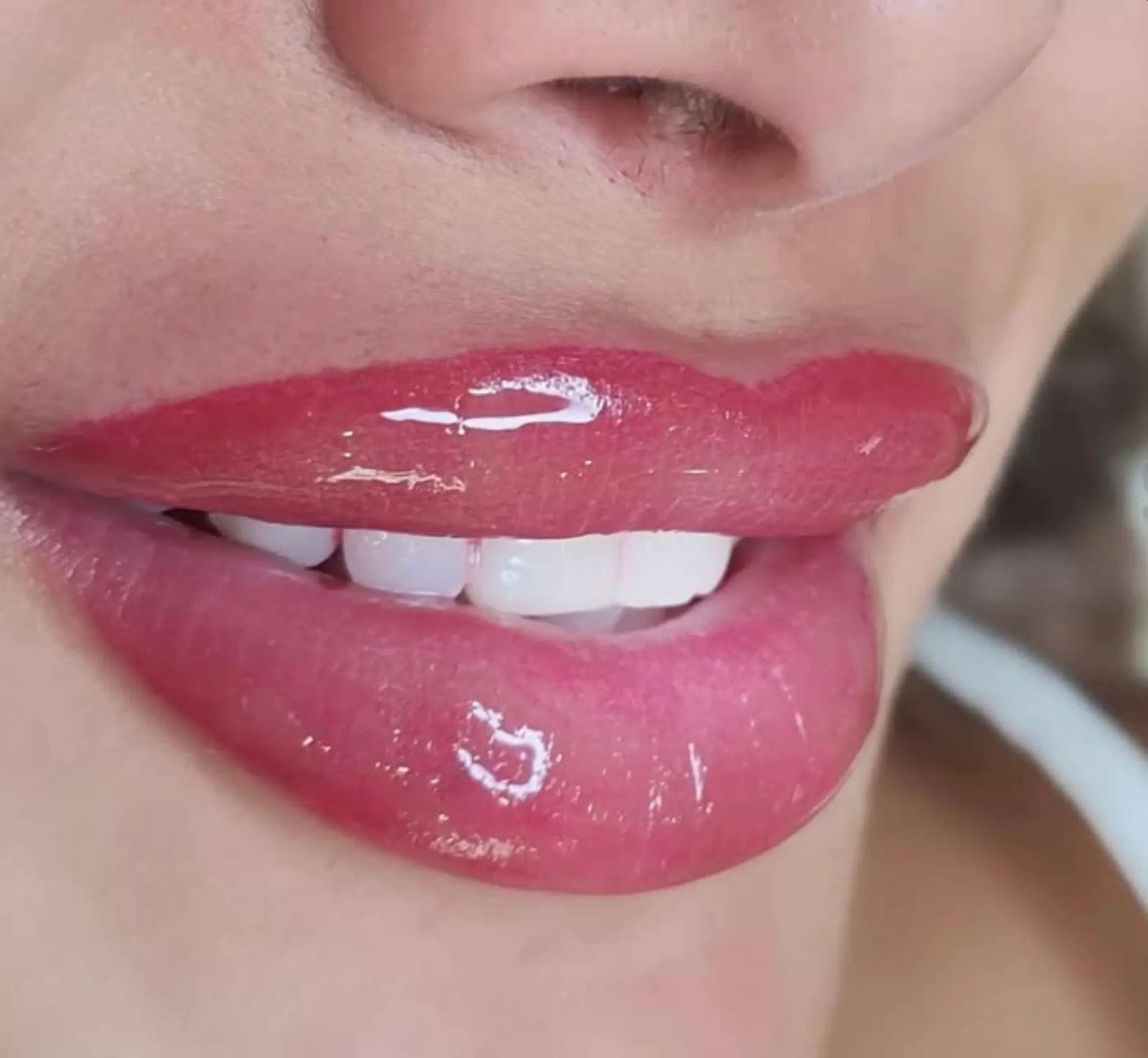
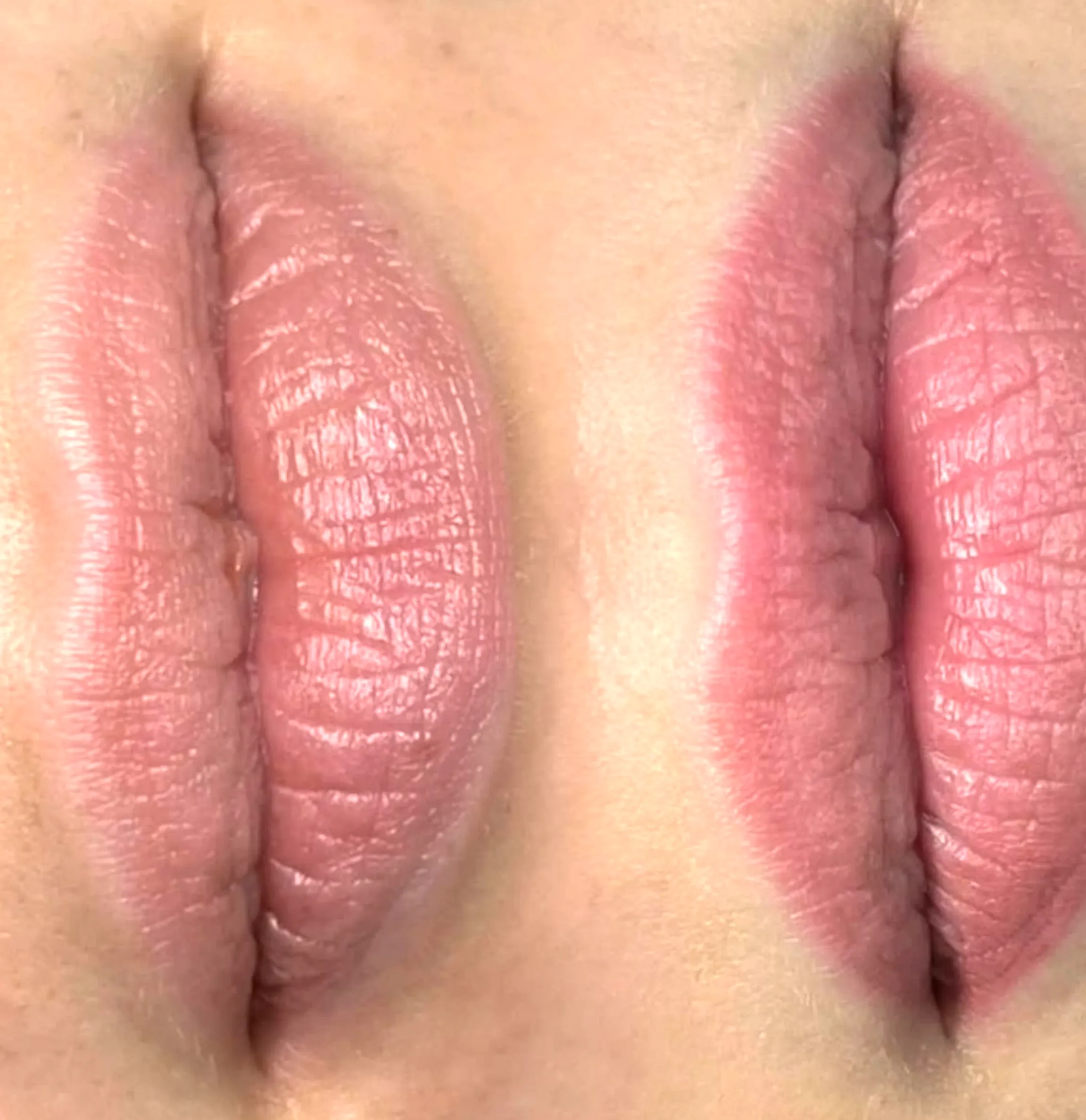
So you’ve just had your lips tinted and they’re looking like a juicy cherry tomato? Don’t panic—a bit of swelling is totally normal. The key is knowing how to care for your lips in those first few hours and days to keep the puffiness at bay. In this guide, we’ll go through all the dos and don’ts to help you feel comfortable, heal well and keep that gorgeous tint intact.
Whether you’ve had a Lip Blush Tattoo, semi-permanent makeup treatment or even a full lip neutralisation tattoo appointment, this article on how to reduce swelling after lip tinting has got you covered—with honest advice, real studio experience and none of the fluff. For anyone considering a lip blushing tattoo, understanding the healing journey is just as important as choosing the right artist.
Contents
- 1 Cold compresses: The OG swelling remedy
- 2 Anti-inflammatories help (without going overboard)
- 3 Keep your lips clean, calm and dry
- 4 Sleep smarter, not swollen
- 5 Hydrate like it’s your job
- 6 When to worry: signs of a reaction
- 7 What to expect
- 8 Studio insights: real cases, real fixes
- 9 Final word: Healing is part of the beauty
- 10 FAQ
Cold compresses: The OG swelling remedy
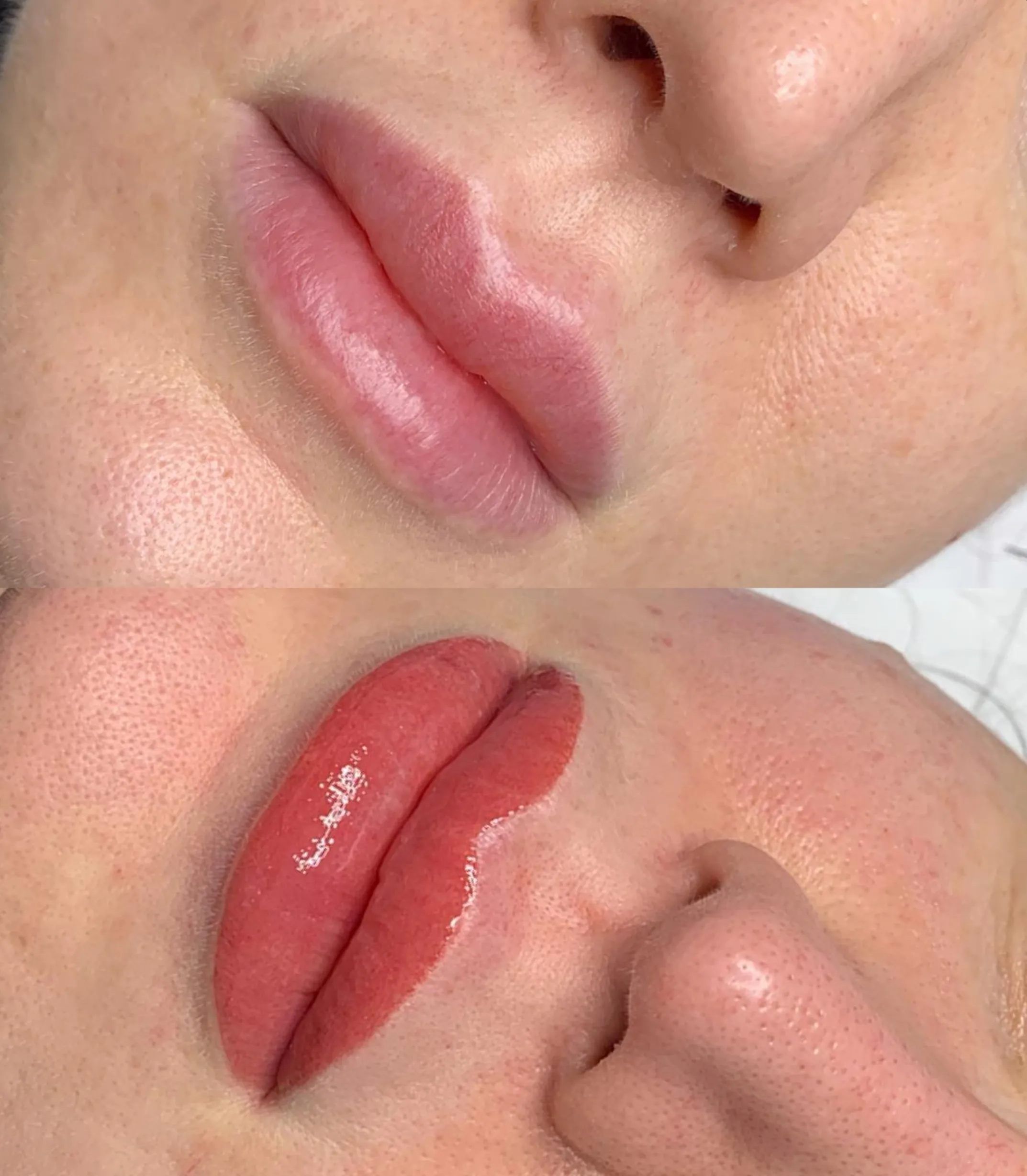
The simplest, safest way to calm post-tint swelling? A cold compress. Think soft cloth, wrapped ice packs or a clean gel mask from the fridge. Not frozen peas. Not your icy vodka bottle. Keep it clean.
Do:
- Use a soft cloth-wrapped ice pack for 5-10 minutes on, 10 minutes off
- Apply in short intervals for the first 24 hours
- Keep pressure light—don’t squish your lips
Don’t:
- Use direct ice or anything too cold
- Sleep on your face (hello, asymmetrical swelling)
Bonus tip: A clean, cold teaspoon from the fridge is a surprisingly good shape for lip contour swelling. Just sanitise it first.
Anti-inflammatories help (without going overboard)
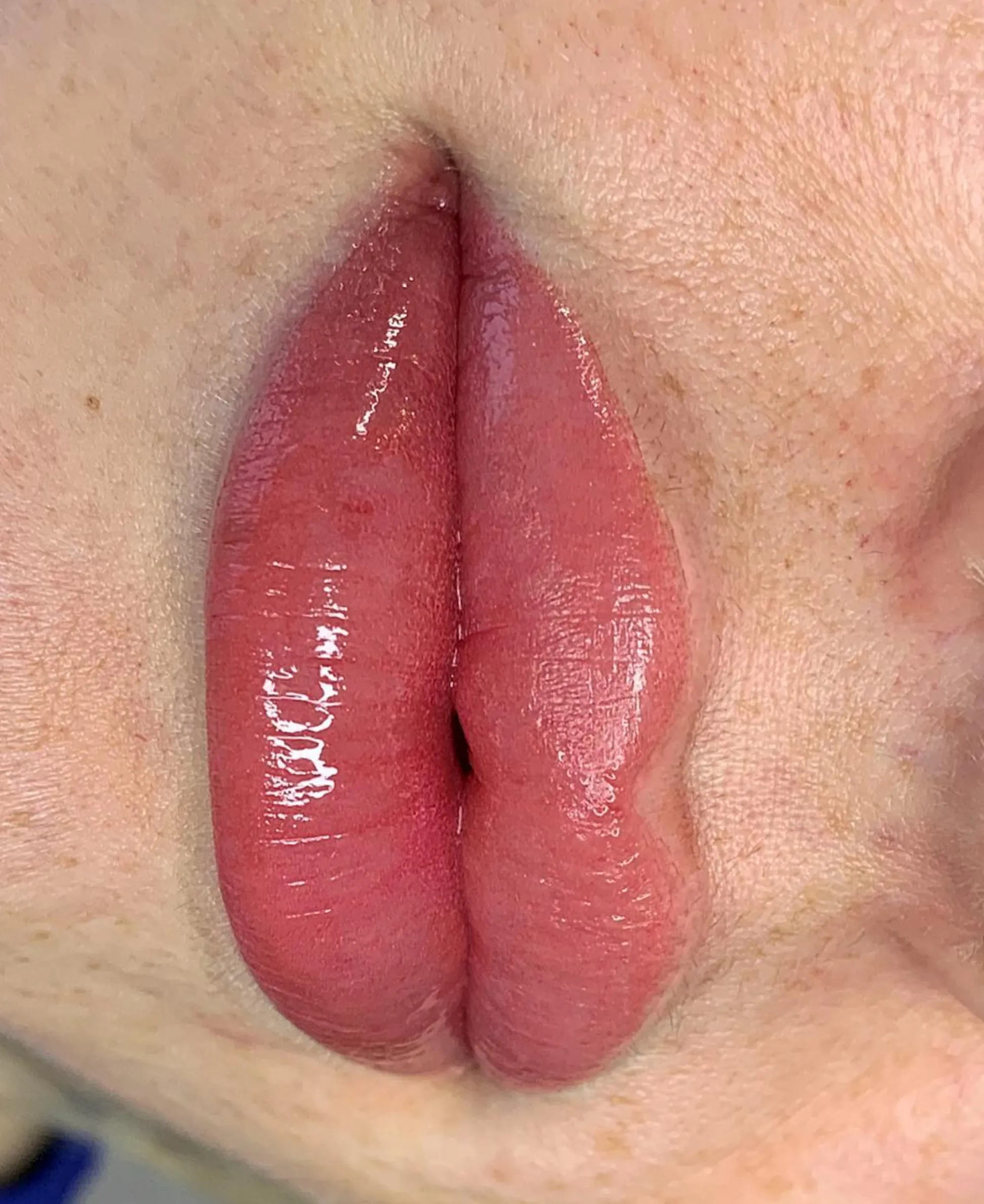
Some mild anti-inflammatories can help reduce discomfort and swelling, but always read the label and check with a pharmacist or GP if unsure. We’re not popping pills just for fun.
Top picks:
- Ibuprofen (e.g. Nurofen) if your body tolerates it well
- Natural options like turmeric tea or bromelain supplements
Avoid aspirin unless advised by a healthcare provider—it can thin the blood and mess with your healing process. Blood-thinning medications should also be discussed with your provider before your cosmetic tattoo technique session.
Keep your lips clean, calm and dry
Lips may be small, but they can harbour bacteria quickly. After lip tattooing, the skin is technically wounded, so hygiene is everything. Whether you’ve got a permanent lip tattoo or a subtle lip blush tattoo, keeping the area clean is key.
In our studio, we recommend:
- Rinsing gently with saline or an alcohol free mouthwash after eating
- No kissing, spicy food, salty food, hot drinks and wine (sorry)
- Using a cotton bud to dab on healing lip balm, not your fingers
Look for aftercare tips from your tattoo artist and choose aftercare balms that are fragrance-free, made for tattoo aftercare and barrier supporting. Bepanthen Tattoo is a solid staple – but if you’re prone to congestion or acne, ask your artist for a non-comedogenic option with ingredients like vitamin E or hyaluronic acid.
Sleep smarter, not swollen
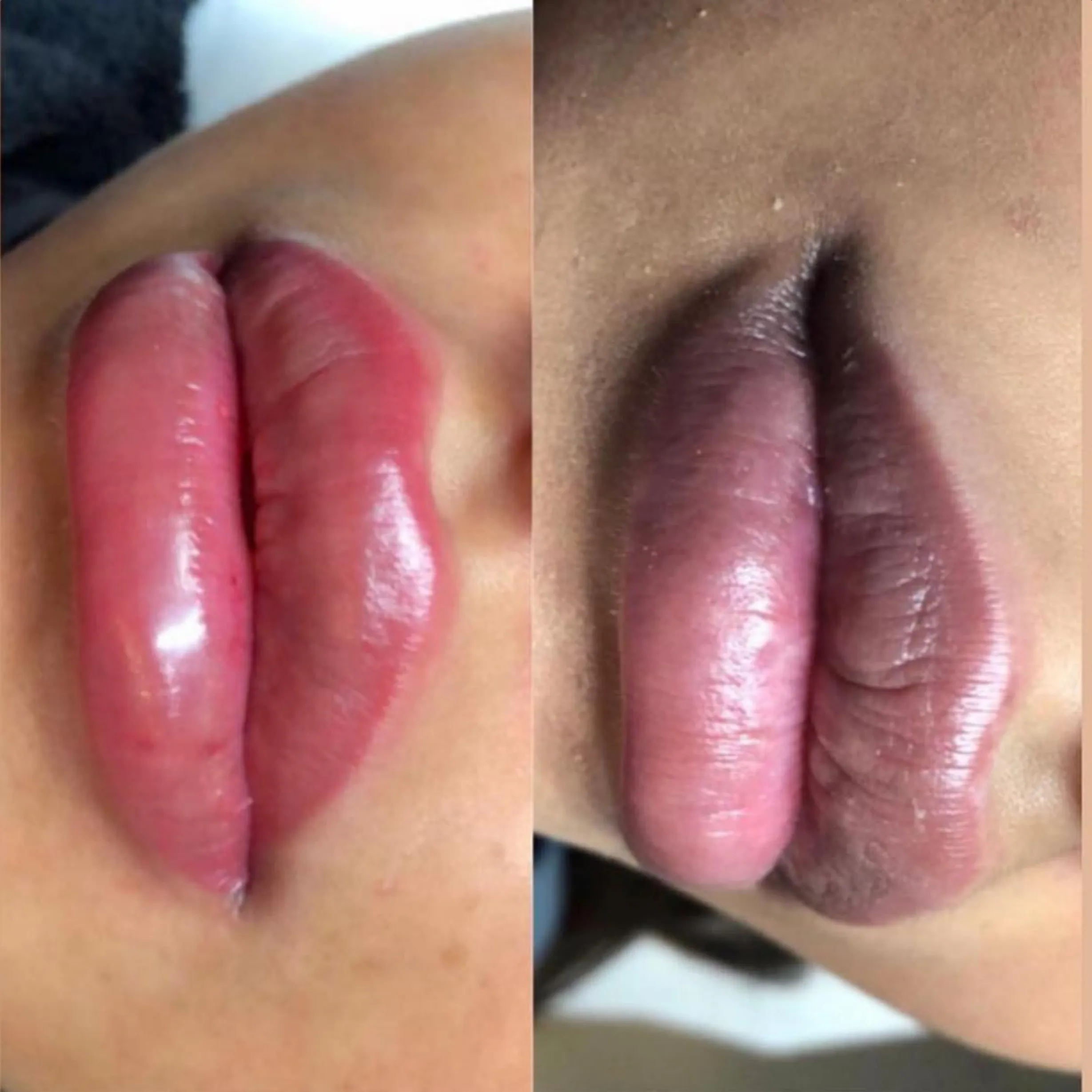
It may sound like a weird tip, but your pillow matters. Elevating your head slightly at night can reduce fluid retention. And sleeping on your back (we know, harder than it sounds) avoids putting pressure on one side.
Pro sleep tips:
- Stack two pillows or use a wedge pillow
- Wrap a clean towel around your pillow in case of balm transfer
- No heated blankets or sleeping too warm
Hydrate like it’s your job
Dehydrated skin swells more and heals more slowly. Keep your water bottle close and skip the cocktails and coffee for a few days. Sorry again.
Good habits:
- Drink water throughout the day (at least 2L if you’re in Melbourne, summer humidity)
- Use a humidifier if your home has dry air
- No licking your lips (tempting but a big no)
- No tanning/excessive sun exposure during the healing stage
When to worry: signs of a reaction
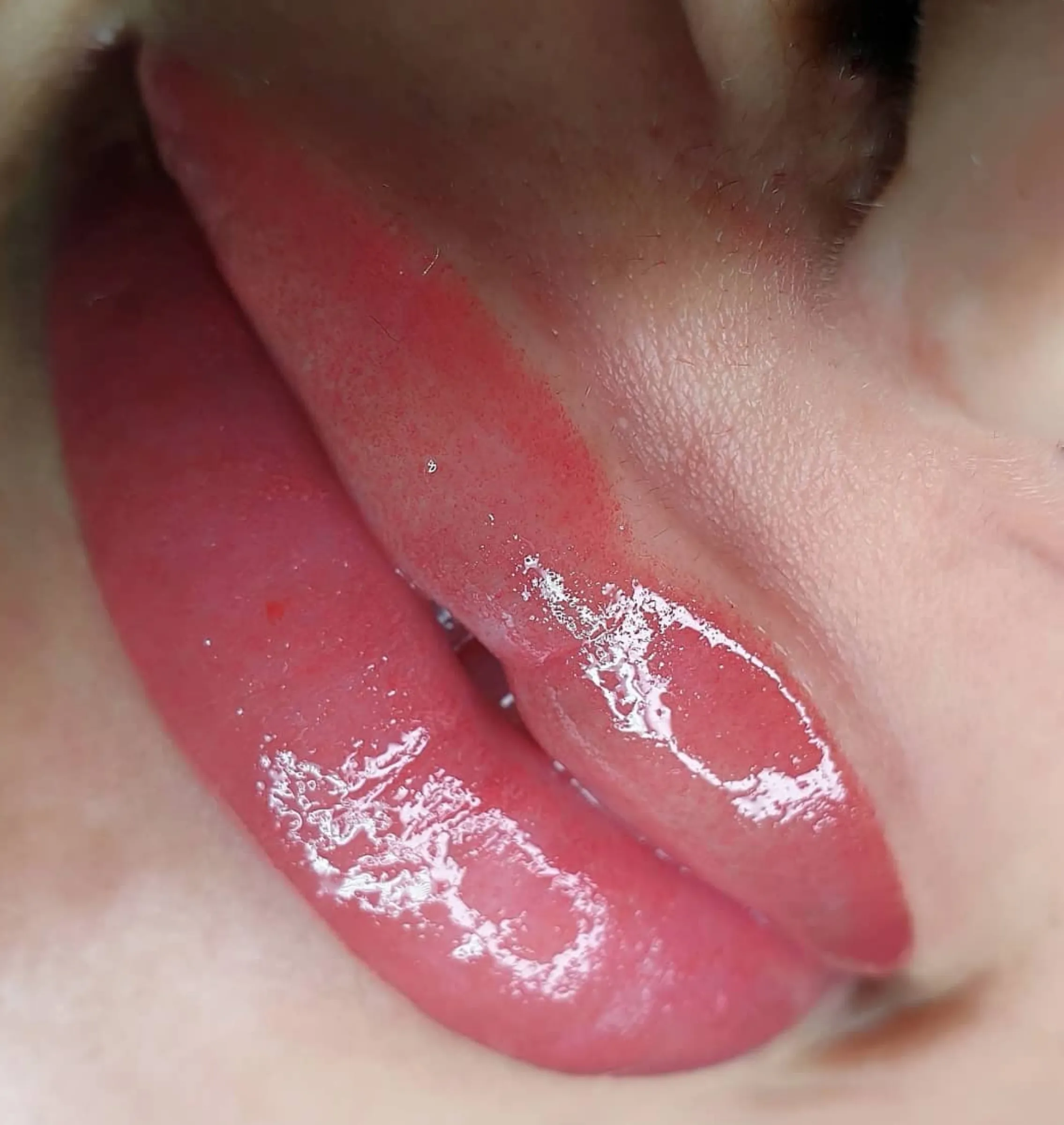
Mild swelling is normal. But if you’re experiencing extreme discomfort, heat, oozing or anything that feels “off”, it could be an allergic reaction or infection. Trust your instincts – and your skin.
Call your artist or a GP if you notice:
- Increasing redness after 48 hours
- Blistering, pinpoint bleeding or yellow crust
- Lip area feels hot to touch or painful to open
If you’ve had cold sores in the past, lip blushing or any cosmetic pigment implantation can trigger a flare. An anti-viral prescription or cold sore medication (like valaciclovir) may be recommended before or after your tattoo appointment.
What to expect
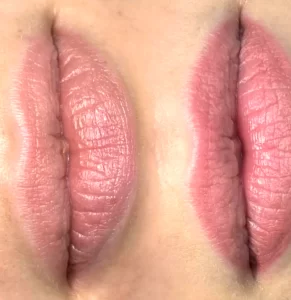
This is what healing should look like for most semi-permanent lip blush procedures. The lip tattoo healing process includes stages of swelling, peeling and colour softening and shouldn’t be rushed:
| Day | What’s Normal | What to Avoid |
|---|---|---|
| 1 | Mild swelling, bright lip colour | Touching, kissing, and spicy food |
| 2–3 | Colour deepens, slight peeling | Long showers, hot drinks |
| 4–7 | Flaking, natural lip colour shows | Picking, exfoliating, and salty foods |
| 8–14 | Tint settles, lips feel normal | Retinol, over-masking, and chemical peels |
Everyone heals differently, but this is what we see most in the studio.
Studio insights: real cases, real fixes
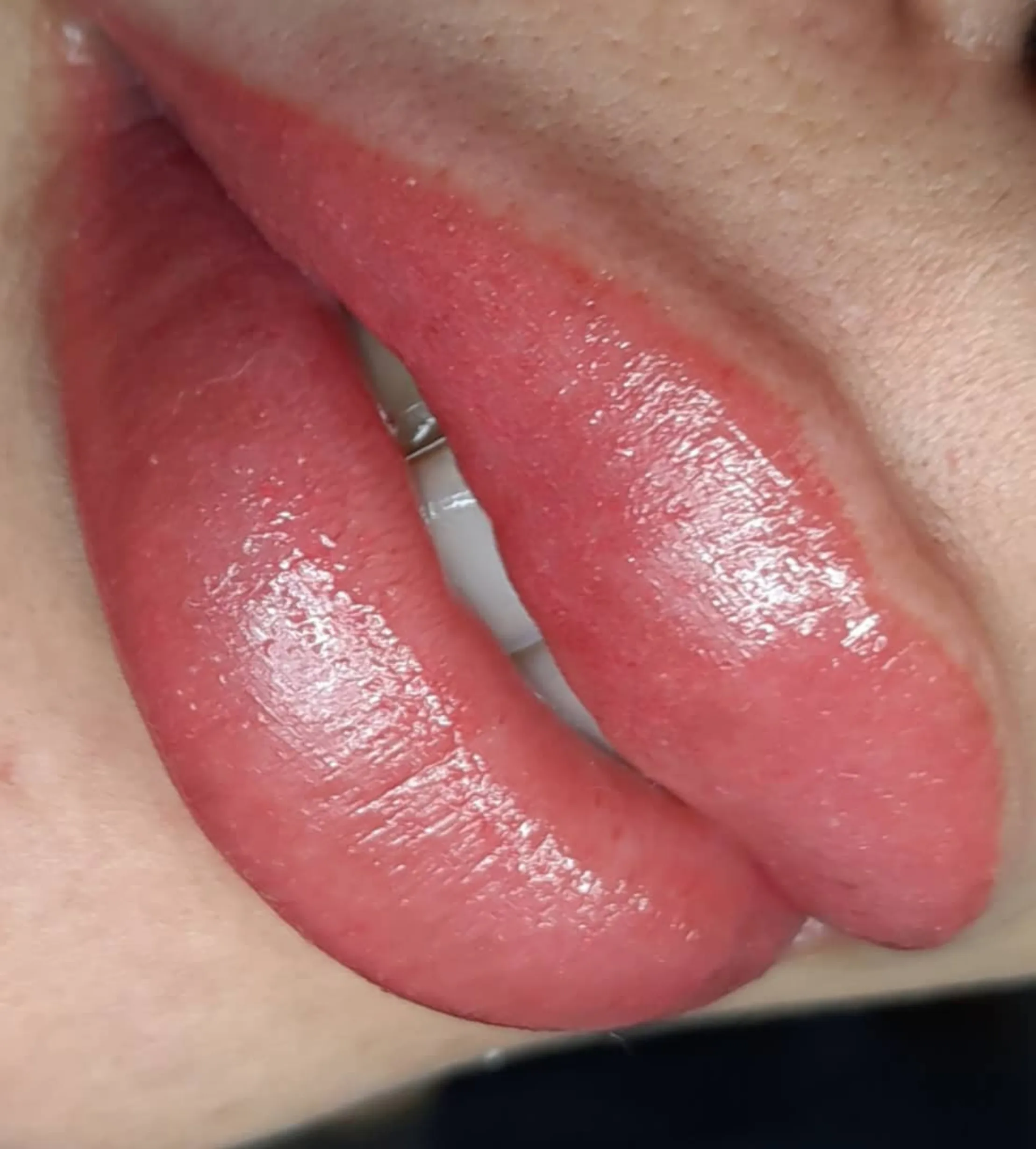
At Cosmetic Tattoo Studio Face Figurati, we’ve seen hundreds of healing journeys—and trust us, the smallest habits can make the biggest difference.
We once had a client who did everything right except sleep on her side—and woke up with one side double the size. A bit of cold compress, an extra pillow, and she was as good as new in 48 hours. Another skipped her aftercare routine completely and ended up with dry cracking. Not cute.
Another client had lip filler injections just two weeks before her Lip Blush treatment—not ideal timing. We always advise spacing fillers/Botox treatments at least four weeks apart from any semi-permanent makeup. That applies whether you’re getting a soft lip blush tattoo or a more defined permanent lip tattoo.
Moral of the story? Small things matter. Swelling isn’t a disaster, but poor healing can mess with pigment saturation, lip outline symmetry and overall results. Treat those lips like fresh ink—because that’s exactly what they are.
Final word: Healing is part of the beauty
If you’re feeling self-conscious or uncomfortable post-tint, just know it’s temporary. A bit of swelling means your body is doing its thing—healing. And with the right care, you’ll come out the other side with beautifully tinted, semi-permanent lined lips and fuller-looking lips that last.
Considering Lip Blush or Lip Tattoo? Always book a patch test first, avoid sun exposure and follow your artist’s aftercare tips to the letter.
FAQ
How long does swelling usually last after lip tinting?
Most swelling goes down within 24-48 hours. Some people barely swell at all. If you’re still noticeably puffy after day 3, it might be worth checking in with your tattoo artist.
Is it safe to take anti-inflammatory medication after lip tinting?
Yes, mild options like ibuprofen are generally safe, but avoid aspirin unless a doctor says otherwise. Always check if you have health conditions or are on other meds.
Can I use ice directly on my lips?
Nope. Direct ice can burn delicate lip tissue. Always wrap it in a cloth or use a cold spoon instead.
Why are my lips more swollen on one side?
Usually from sleeping or slight variations in your body’s healing response. Not a big deal.
What if my lips look too dark?
Normal. The colour will fade during the healing process. What you see on day one isn’t the final result—wait until your touch-up to see.